Watercolor Clipart Bird Art Scrapbooking Review
As a designer who has spent years translating digital art into tangible thread, I approach every new asset with a critical eye. When I first opened the file for Watercolor Clipart Bird Art Scrapbooking, my immediate reaction was one of cautious optimism. This piece falls squarely within the Illustrations category, and at first glance, it promises a soft, whimsical aesthetic that is highly sought after in the current handmade market. However, the transition from a pixel-perfect watercolor image to a stitched machine embroidery design is rarely seamless. My goal here is to walk you through exactly how this design performs when moved from the screen to the hoop, helping you decide if it belongs in your next collection.
The Visual Mood and Design Personality
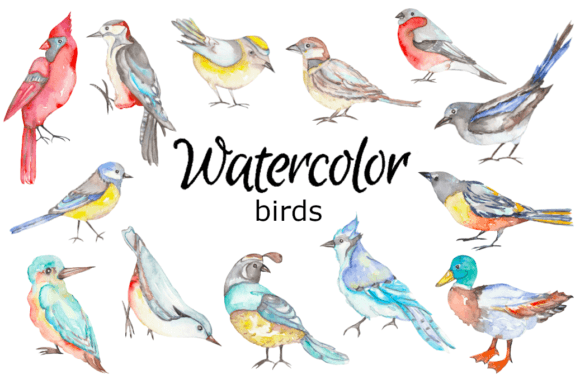
Watercolor Clipart Bird Art Scrapbooking exudes a gentle, organic vibe. The bird itself is rendered with soft edges and blended hues, mimicking the look of wet-on-wet paint. In the world of digital design assets, this style is popular for its ability to soften the often rigid geometry of standard embroidery. For an Etsy seller or a boutique owner looking to create a cohesive brand identity around nature, nostalgia, or nursery themes, this illustration offers a distinct personality. It feels less like a graphic logo and more like a hand-painted accent, which can significantly elevate the perceived value of a handmade product.
However, the very feature that makes it charming—the lack of hard lines—presents a challenge. In traditional vector art, we rely on crisp outlines to define shapes. Here, the "watercolor" effect relies on gradients and fading edges. When converted into an embroidery file, these soft transitions must be interpreted by the machine using specific stitch techniques. If not digitized correctly, the result can look muddy rather than artistic. As a reviewer, I am always checking whether the digitizer has used fine running stitch or subtle fill stitch variations to mimic the paint bleed, rather than just blocking out color.
Real-World Application: The Custom Tote Bag Scenario
To truly test the viability of Watercolor Clipart Bird Art Scrapbooking, let's imagine a specific project: a custom embroidered tote bag for a local craft fair. Imagine a natural canvas bag, unbleached and slightly textured. You want to place this bird design near the top corner as a branding element. On the screen, the design looks airy and light. But once you load the digital embroidery file and hooped the fabric, the reality shifts.
The texture of the canvas interacts with the stitch density. If the design uses dense fills to create the darker parts of the bird's wing, the fabric might pucker, ruining the soft flow of the watercolor effect. Conversely, if the density is too low, the white canvas will show through the lighter pastel areas, making the design look unfinished. In this scenario, I would recommend testing the design on a scrap piece of the same canvas first. You need to ensure that the thread colors have enough saturation to stand out against the fabric without overwhelming the delicate nature of the illustration.
For a tote bag design, this bird works beautifully as a secondary motif rather than a centerpiece. It pairs well with simple typography or floral accents. Customers buying these bags are often looking for a "lived-in," artisanal feel. If the stitching captures the essence of the watercolor style, the finished product becomes a premium item. If the stitching looks blocky or pixelated, it detracts from the quality, potentially leading to returns or negative reviews for a small business.
Nursery Decor and Baby Embroidery
Another prime use case for Watercolor Clipart Bird Art Scrapbooking is in baby embroidery. Think of personalized onesies, pillow covers, or blanket borders. Parents love soft, non-threatening imagery, and a watercolor bird fits this perfectly. The gentle curves and lack of sharp angles make it safe and soothing visually.
However, working with baby items introduces constraints regarding fabric weight and safety. You cannot use heavy stabilizers that leave a stiff backing on a soft cotton bodysuit. Here, the choice of hoop size becomes critical. If the design is too large for the available space on a baby garment, you risk distorting the fabric. If it is too small, the intricate details of the watercolor wings may get lost in the weave of the fabric. I advise checking the dimensions of the embroidery project carefully. A smaller scale might require simplifying the design to maintain clarity, ensuring the bird remains recognizable even when stitched on a tiny patch or cap.
Furthermore, baby clothes are washed frequently. The durability of the finished product depends on how well the stitches hold up to agitation. Designs with long satin stitch elements can sometimes snag or break over time. If this design relies heavily on satin for the outline of the bird, consider reinforcing those areas or opting for a fill stitch alternative to ensure longevity.
Critical Considerations for Commercial Use
- Fabric Texture: Avoid using this design on highly textured fabrics like heavy denim or bouclé unless you increase the stitch count significantly. The texture can disrupt the smooth gradient effect of the watercolor style.
- Dark Fabrics: Watercolor designs often utilize white or light pastels. Stitching these on dark fabrics requires a solid underlay or a layer of white thread beneath the color to prevent the background from bleeding through. Without this, the design will lose its luminosity.
- Stabilizer Choice: Always use a tear-away or cut-away stabilizer appropriate for the fabric weight. For stretchy materials like sweatshirts, a knit stabilizer is essential to prevent the design from warping when the garment moves.
- Licensing Check: Before selling any commercial embroidery items featuring this art, verify the license terms. Ensure you are permitted to sell physical goods created from the file. Some Illustrations are licensed for personal use only, which could put your business at legal risk.
Maximizing Value and Customer Trust
When you offer a product like a sweatshirt embroidery or a personalized gift, your customer is paying for both the material and the craftsmanship. Using a high-quality design like Watercolor Clipart Bird Art Scrapbooking signals attention to detail. It shows that you care about the aesthetic nuance of your work. However, if the execution is poor, it damages your reputation.
To build trust, I suggest creating printable mockups that accurately represent the final look. Do not just show the digital image; show a photo of the actual stitched sample. This manages customer expectations and highlights the skill involved in translating the art to thread. For a craft business, consistency is key. If you use this bird across multiple products—holiday gifts, aprons, or patches—it creates a recognizable signature style. This brand consistency helps customers identify your work instantly in a crowded marketplace.
Final Designer Notes
In conclusion, Watercolor Clipart Bird Art Scrapbooking is a versatile asset with significant potential for the right applications. Its success hinges on careful preparation. Always test the design on scrap fabric to check thread color contrast and stitch density. Inspect the small details under good lighting to ensure no threads are floating or breaking. Test it in black and white mockups to see if the composition holds up without color distraction.
Whether you are a hobbyist creating a unique embroidered patch or a professional decorator fulfilling a bulk order for a small shop product, take the time to evaluate how the design behaves in real life. By respecting the nuances of the medium and preparing thoroughly, you can turn this beautiful illustration into a stunning, profitable addition to your portfolio. Remember, the best embroidery projects are those where the art and the technique work in perfect harmony.