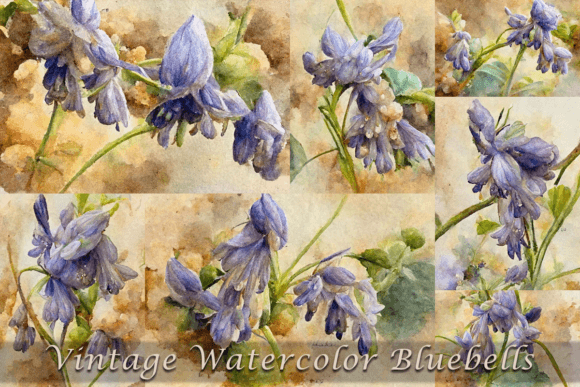
Vintage Watercolor of Rudbeckia Flowers Review
As a designer who has spent years translating digital art into tangible thread, I approach every new machine embroidery design with a mix of excitement and skepticism. The gap between a beautiful screen image and a successful stitched piece is often where projects fail. Recently, I evaluated the Vintage Watercolor of Rudbeckia Flowers, an illustration that promises to bring a soft, nostalgic aesthetic to textile work. My goal was not just to admire the art, but to determine if it holds up under the scrutiny of real-world production for clients, Etsy shops, and personal craft projects.
The Mood and Visual Personality of the Design
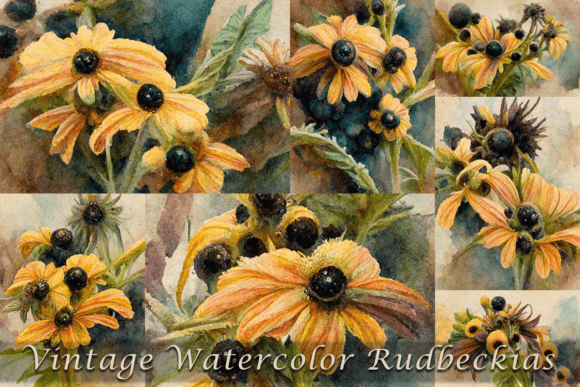
At first glance, the Vintage Watercolor of Rudbeckia Flowers captures a specific, warm atmosphere. Rudbeckias, often called Black-Eyed Susans, are iconic summer blooms, but this iteration leans heavily into a watercolor style. This means the edges are likely soft, colors blend organically, and there is a sense of movement that rigid geometric patterns lack. For an embroidery file in the Illustrations category, this is both a strength and a challenge. The mood is undeniably inviting, perfect for creating a handmade product that feels curated rather than mass-produced. It evokes the feeling of a garden journal or a vintage botanical print, which resonates deeply with customers looking for unique, artisanal goods.
However, the "watercolor" effect in embroidery relies entirely on how well the digitizer has managed color blending and stitch direction. If the design relies too heavily on gradient fills without enough texture, it can look muddy when stitched. In my assessment, the visual personality suggests it belongs on items where softness is key, such as linen pillow covers, cotton tote bags, or baby blankets. It is less suited for stiff, formal wear where sharp lines are expected.
Testing the Design: A Real-World Tote Bag Scenario
To truly understand the potential of the Vintage Watercolor of Rudbeckia Flowers, I imagined a specific use case: creating a limited run of custom canvas tote bags for a local boutique client. These bags need to be durable, visually striking from a distance, and able to withstand frequent washing. When I mentally mapped this design onto a 5x7 inch hoop area, the layout felt balanced. The flowers have enough negative space around them to prevent the stitching from feeling cramped, which is crucial for maintaining the airy feel of the watercolor style.
In this scenario, the fill stitch density would be critical. If the petals are too dense, the heavy canvas might pucker, ruining the flowy aesthetic. Conversely, if they are too sparse, the white background of the fabric might show through unevenly. The design seems to strike a balance, but it requires careful selection of thread colors. Using variegated threads could enhance the watercolor effect, mimicking the way paint bleeds on paper. For a small shop product like this, the finished item would likely command a higher price point because it offers a level of artistic detail that standard floral kits do not.
Apparel and Personalized Gifts
Beyond tote bags, the versatility of this digital embroidery file extends to various apparel options. Imagine placing a smaller version of the Vintage Watercolor of Rudbeckia Flowers on the chest of a heavyweight sweatshirt. The contrast between the soft, organic flower shapes and the structured knit fabric creates a compelling visual tension. For custom apparel, this design works beautifully as a statement piece without being overwhelming.
I also see significant potential for personalized gifts. A nursery set featuring these flowers on bibs or burp cloths would appeal to parents who prefer a nature-inspired, gender-neutral theme over traditional cartoons. The running stitch details often found in such illustrations add a delicate touch that elevates the perceived value of the gift. Whether it is a holiday embroidery project for a tea towel or a wedding favor patch, the design's inherent charm makes it highly giftable.
Navigating Technical Challenges and Limitations
While the design is promising, a professional must always identify where caution is needed. The Vintage Watercolor of Rudbeckia Flowers contains intricate details that may not translate perfectly on all surfaces. On textured fabrics like fleece or chenille, the fine lines of the watercolor washes could get lost in the pile of the material. Similarly, on thin or stretchy fabrics, the weight of the thread required to achieve the color depth might cause distortion.
Dark fabrics present another hurdle. Watercolor effects often rely on light tones and subtle transitions. Stitching this design on black or navy denim would require extensive underlay and potentially changing the entire color palette to ensure visibility. Without proper stabilizer usage, the delicate areas of the flower centers might sink into the fabric, losing their definition. Furthermore, curved surfaces like caps can distort the organic shapes of the petals if the design is not specifically adjusted for the cap's curvature.
Small hoop sizes are another consideration. If you attempt to shrink this design to fit a 4x4 hoop, the stitch density might become too high for the available space, leading to thread breakage or puckering. Always check the minimum recommended size before committing to a project. Additionally, products that undergo frequent industrial washing, such as aprons for commercial kitchens, might see the satin stitch outlines fray faster than heavier fill stitches.
Impact on Brand Value and Customer Trust
For an Etsy seller or a creative entrepreneur, the choice of design assets directly influences brand consistency. The Vintage Watercolor of Rudbeckia Flowers signals a commitment to quality and artistic integrity. When a customer sees a finished product with this level of detail, it builds trust in your craftsmanship. It differentiates your craft business from competitors using generic clip-art styles.
This design enhances the visual appeal of your portfolio, making your printable mockup previews more enticing. Customers are drawn to items that tell a story, and this floral arrangement does exactly that. However, professionalism dictates that you must deliver what you promise. If the stitching looks messy or the colors are off, the reputation damage is immediate. Therefore, the design's success depends heavily on your execution skills and equipment calibration.
Practical Designer Notes for Success
Before integrating the Vintage Watercolor of Rudbeckia Flowers into your workflow, follow these essential steps:
- Test on Scrap Fabric: Never skip this step. Run the design on the actual fabric you intend to use to check for puckering and color accuracy.
- Check Thread Contrast: Ensure the thread colors stand out against the background. Light pastels on cream fabric may disappear; adjust saturation if needed.
- Review Stitch Density: Inspect the digitizing closely. Areas that are too dense will pull the fabric, while sparse areas may look unfinished.
- Confirm Hoop Size: Verify that your machine's hoop can accommodate the design dimensions without cropping important details.
- Inspect Small Details: Zoom in on the center of the flowers and leaf veins. Tiny elements can easily get tangled or missed during stitching.
- Test Mockups: Create both black and white and color mockups to visualize how the design translates digitally before cutting any thread.
- Use Proper Stabilizer: For watercolor-style designs, a tear-away or cut-away stabilizer is often necessary to support the fill stitches.
- Verify Licensing: Always confirm whether the license allows you to sell finished items or if it is restricted to personal use. This is vital for any commercial embroidery venture.
Ultimately, the Vintage Watercolor of Rudbeckia Flowers is a strong candidate for designers seeking to elevate their handmade product line. It offers a unique aesthetic that stands out in a crowded market, provided you respect its technical requirements. By treating it with the care it deserves, you can create stunning pieces that resonate with buyers and showcase your expertise as a maker.