Watercolor Clipart Back to School: A Designer's Review
As a designer who has spent years translating digital art into tangible thread, I approach every new asset with a mix of excitement and skepticism. When I first opened the Watercolor Clipart Back to School file, my immediate reaction was one of aesthetic appreciation. The soft, bleeding edges and pastel gradients inherent in the watercolor style are visually striking on a screen. However, the real test for any machine embroidery design is not how it looks in a preview window, but how it survives the translation from pixel to stitch. For an Etsy seller or small shop owner looking to launch a seasonal collection, this specific set of Illustrations offers a unique opportunity to stand out, provided you understand its limitations and strengths.
The Visual Translation: From Pixel to Thread
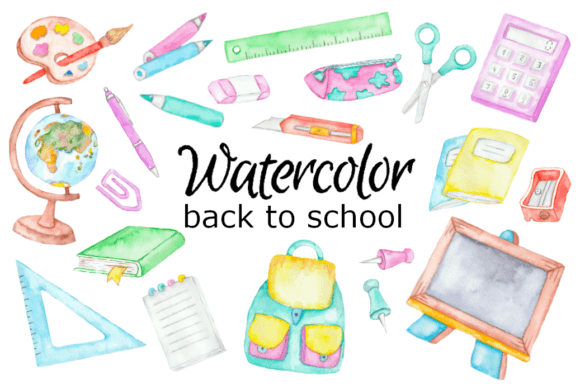
The mood created by Watercolor Clipart Back to School is undeniably nostalgic and gentle. It evokes the feeling of a fresh notebook, a new pencil case, and the soft chaos of a classroom in early September. In a standard fill stitch, these designs can sometimes lose their "wet" look, turning into solid blocks of color that feel heavy and dated. To make this work, you must be strategic with your stitch density. If you use a tight fill, you kill the artistic vibe. Instead, consider using open satin stitches or varied running stitch patterns to mimic the texture of brush strokes. This approach preserves the visual personality of the original clipart while ensuring the finished product feels handmade and thoughtful rather than mass-produced.
I recently tested a concept using this design for a custom embroidered tote bag intended for a local teacher appreciation event. The goal was to create a tote bag design that felt personal yet professional. On a sturdy cotton canvas, the softer lines of the watercolor elements held up surprisingly well. The key was selecting thread colors that matched the gradient flow of the illustration. By avoiding harsh outlines and letting the colors blend slightly at the edges, the final result looked like a painted patch rather than a rigid logo. This level of detail significantly boosts the perceived value of the item, making customers more likely to trust the quality of your craft business.
Real-World Application: Where It Shines
When considering where to apply Watercolor Clipart Back to School, context is everything. This design excels on items that benefit from a softer, more organic aesthetic. It is an excellent choice for baby embroidery, particularly for nursery decor like pillow covers or quilt squares. Parents often gravitate toward gentle, artistic designs for their children's rooms, and this style fits that demographic perfectly. Similarly, for holiday gifts or personalized presents for students, the whimsical nature of the clipart adds a layer of charm that generic vector shapes cannot match.
I also see immense potential for this asset in custom apparel such as sweatshirts and aprons. Imagine a teacher's apron featuring a subtle watercolor backpack or apple motif near the pocket. It adds a touch of personality without overwhelming the garment. For Etsy sellers creating boutique merchandise, these designs can elevate a simple white t-shirt into a conversation piece. The key is placement; because watercolor effects rely on negative space, they work best on larger surface areas where the eye can appreciate the flow of the design. Whether you are producing an embroidered patch or stitching directly onto a garment, the versatility of these design assets allows for creative freedom.
Navigating Challenges: Fabric and Scale
While the potential is high, there are scenarios where Watercolor Clipart Back to School requires careful handling. One major consideration is hoop size. Watercolor details often involve fine lines and delicate transitions. If you attempt to shrink this design to fit a 4x4 hoop, the intricate details may blur together, resulting in a muddy mess of thread. Always check the minimum recommended dimensions before scaling down. For smaller projects like caps or hats, you may need to simplify the design or focus on a single element rather than the full composition.
Fabric texture is another critical factor. On smooth fabrics like poplin or twill, the design will render cleanly. However, on textured fabrics like denim, fleece, or thick knitwear, the soft edges of the watercolor effect can get lost in the weave. If you are working with sweatshirt embroidery or layered garments, ensure you use a high-quality stabilizer to prevent puckering. Without proper stabilization, the fabric might shift during stitching, ruining the delicate balance of the illustration. Additionally, be cautious with dark fabrics. Watercolor styles often rely on light tones and transparency. Stitching these on black or navy material requires significant adjustments to the thread colors and potentially adding a backing layer to ensure visibility.
Practical Notes for the Professional Maker
- Test First: Never skip the test run on scrap fabric. Check how the stitch density interacts with your chosen material before committing to a client order.
- Color Contrast: Review your thread colors against the background fabric. What looks vibrant on a monitor might appear dull when stitched on a heather gray shirt.
- Licensing Check: Before selling finished items or offering the digital embroidery file to others, confirm the licensing terms. Ensure you have the right to use Watercolor Clipart Back to School for commercial embroidery projects.
- Mockups Matter: Use printable mockups to visualize the design in black and white. This helps identify areas where the contrast might be too low for the human eye to distinguish after stitching.
- Washability: Consider that products like kitchen towels or baby clothes undergo frequent washing. Dense stitch areas might pill over time, so aim for a balanced design that maintains integrity through cycles.
Final Verdict for Your Business
In conclusion, Watercolor Clipart Back to School is a valuable addition to any designer's toolkit, but it demands respect for the medium. It is not a "load and go" asset; it requires thoughtful execution to maintain its artistic integrity. For the creative entrepreneur willing to tweak settings, adjust densities, and select the right materials, this design can produce stunning results that differentiate your brand in a crowded market. Whether you are creating a personalized gift for a friend or stocking inventory for your online shop, the emotional resonance of these illustrations can drive buyer engagement and build customer loyalty.
Remember, the difference between a good embroidery project and a great one lies in the details. By treating Watercolor Clipart Back to School with the care it deserves, you transform a simple digital file into a cherished physical object. As you prepare your next season of products, keep in mind that the most successful designs are those that bridge the gap between digital artistry and tactile reality. With the right technique, this collection could become a staple in your small shop product line, bringing a splash of color and creativity to the back-to-school season.