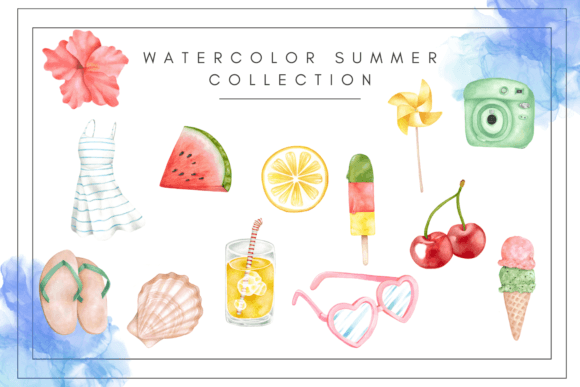
Watercolor Summer Clipart, Ice Cream: A Designer's Review
As someone who has spent years translating digital art into physical thread, I approach every new machine embroidery design with a specific set of questions. Does the visual style survive the translation to fabric? Will it hold up under the stress of washing and wearing? Most importantly, does it add genuine value to a finished product? When I first opened the file for Watercolor Summer Clipart, Ice Cream, my immediate reaction was one of cautious optimism. The soft, bleeding edges and pastel gradients inherent in watercolor styles are notoriously tricky to replicate with rigid thread, yet this illustration promises a whimsical charm that is perfect for the current season.
The Visual Challenge of Watercolor in Thread
The defining characteristic of this Illustrations category piece is its fluidity. Unlike bold vector graphics with hard outlines, watercolor relies on soft transitions and organic shapes. In a real-world embroidery project, this presents an interesting technical hurdle. To make Watercolor Summer Clipart, Ice Cream work, you cannot simply rely on standard fill stitches. You need to think about how to mimic that "wet" look using varying stitch density and perhaps layering different thread colors to create depth without creating a muddy texture.
When I visualize this design on a tote bag design or a linen apron, the goal is to capture the dreamy aesthetic without losing the definition of the ice cream cone. If the stitch count is too high, the delicate nature of the watercolor effect gets lost in a block of thread. If it is too low, the image looks pixelated and unfinished. This is where the skill of the designer comes into play. You must treat this not just as a picture to be stitched, but as a textural element that needs careful balancing.
Real-World Application: From Hoop to Handmade Product
Let's walk through a practical scenario. Imagine you are preparing a collection of personalized summer gifts for your Etsy shop. You decide to use Watercolor Summer Clipart, Ice Cream on a canvas tote bag. The natural weave of the canvas provides a great backdrop for the soft edges of the design. However, because watercolor designs often lack heavy black outlines, the contrast against a light-colored fabric can sometimes be subtle.
In this case, selecting the right background color is crucial. A creamy off-white or a pale yellow would allow the pastel tones of the ice cream to pop, whereas a stark white might wash out the softer details. If you were applying this to custom apparel, such as a cotton sweatshirt, the texture of the fleece could actually enhance the watercolor vibe by breaking up the straight lines of the fill stitch. The slight fuzziness of the fabric mimics the paper grain of a watercolor painting, making the transition from digital file to handmade product feel more organic.
For small business owners looking to expand their inventory, this design fits perfectly into the "summer essentials" niche. Think baby onesies, nursery decor, or even kitchen towels. The theme is universally appealing and non-offensive, which makes it a safe bet for mass production while still feeling unique enough for a boutique brand. However, the key to success lies in execution. A poorly executed watercolor design can look like a mistake rather than an artistic choice.
Navigating Technical Limitations and Fabric Choices
While the potential is high, there are specific situations where Watercolor Summer Clipart, Ice Cream requires extra caution. One major consideration is the hoop size. Watercolor effects often require space to breathe. If you try to force this design into a tiny 4x4 inch hoop, the intricate blending of colors may become indistinguishable, resulting in a blob of thread rather than a recognizable ice cream cone. Always check the dimensions of the embroidery file before committing to a small project.
Fabric texture is another critical factor. On very thin or stretchy fabrics, like jersey knit t-shirts, the softness of the watercolor style can get lost if the fabric puckers during stitching. You will likely need a heavier stabilizer to ensure the design lays flat. Additionally, dark fabrics pose a challenge. Without a dense underlay, the lighter thread colors used in the watercolor palette might not show up clearly, diminishing the visual impact. In these cases, testing the design on scrap fabric first is non-negotiable.
If you are considering this for an embroidered patch, the lack of defined borders typical of watercolor art might make cutting the patch difficult. You may need to add a satin stitch border manually in your software to give the patch a clean edge, ensuring it doesn't fray when sewn onto a cap or jacket. Similarly, for curved surfaces like hats, the distortion of the design can alter the perception of the melting ice cream drips, so always review the placement carefully.
Enhancing Value and Professionalism
When done correctly, incorporating Watercolor Summer Clipart, Ice Cream into your line of products significantly boosts perceived value. Customers today appreciate unique, artistic touches over generic clip art. A well-stitched watercolor design signals that the creator pays attention to detail and understands the nuances of the medium. This builds customer trust and encourages repeat business.
For Etsy sellers and craft business owners, the ability to offer something that looks hand-painted but is reproducible via machine is a competitive advantage. It allows you to scale your production while maintaining an artisanal feel. However, remember that the quality of your finished product reflects directly on your brand. If the stitching is messy or the colors bleed visually due to poor planning, it can damage your reputation.
To maintain professionalism, consider creating printable mockups that accurately represent how the design will look on different materials. Show customers the design on both light and dark backgrounds so they understand the limitations and possibilities. Transparency regarding the commercial embroidery capabilities of the design also helps manage expectations.
Practical Notes for the Designer
Before you start stitching, here are a few essential steps to ensure success with this design:
- Test on Scrap Fabric: Never skip this step. Stitch a sample to check how the running stitch and fill stitch interact with your chosen thread colors.
- Check Color Contrast: Ensure the pastel shades stand out against your base fabric. Adjust the thread palette if necessary.
- Review Stitch Density: Look for areas where the thread might bunch up. Reducing density in certain sections can help achieve a more authentic watercolor look.
- Confirm Licensing: Before selling any items made with this digital embroidery file, verify the license terms. Some design assets have restrictions on commercial use or the number of items you can sell.
- Use Proper Stabilizer: Especially for textured or stretchy fabrics, a good stabilizer is the difference between a crisp design and a puckered mess.
- Inspect Small Details: Zoom in on the digital preview to ensure no tiny elements will disappear during the stitching process.
Ultimately, Watercolor Summer Clipart, Ice Cream is a versatile asset that can elevate your summer collection if handled with care. It offers a fresh, artistic alternative to standard bold graphics, appealing to those who love soft, nostalgic aesthetics. By understanding the technical requirements and choosing the right applications, you can turn this embroidery project into a standout item in your shop. Whether it's a personalized gift for a friend or a flagship product for your brand, the potential for creativity is vast. Just remember: the magic happens not just in the design file, but in the thoughtful execution of the stitch.