Fun Fair Circus Watercolor Clipart Review
As a designer who has spent years translating digital art into tangible stitched goods, I approach every new asset with a critical eye. The market is flooded with generic graphics, but occasionally, a design arrives that sparks genuine creative potential. That is exactly how I felt when I first opened the file for Fun Fair Circus Watercolor Clipart. At first glance, it belongs firmly in the category of whimsical Illustrations, but my real interest lies in how these watercolor textures survive the transition from screen to fabric. This review breaks down whether this specific design holds up under the scrutiny of a professional embroidery machine and if it can truly elevate your handmade product line.
The First Impression: Capturing Whimsy on Fabric
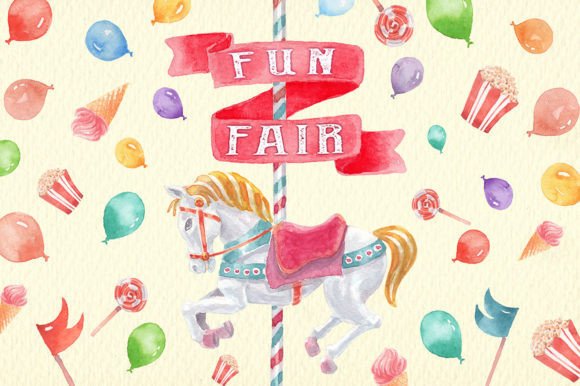
The visual personality of Fun Fair Circus Watercolor Clipart is immediately engaging. It evokes a sense of nostalgia, reminiscent of vintage carnival posters mixed with modern soft aesthetics. The watercolor effect, characterized by its bleeding edges and gradient washes, presents a unique challenge for any machine embroidery design. In the digital realm, these soft transitions are beautiful. However, in the world of thread, we must ask: does the stitch definition hold the mood without becoming muddy?
When I visualize this design on a tote bag design or a nursery pillow cover, the pastel tones and playful shapes suggest a project aimed at families, children's boutiques, or seasonal holiday collections. The layout feels balanced, offering distinct focal points like circus tents and balloons that could work well as standalone motifs or part of a larger narrative scene. For an Etsy seller looking to differentiate their shop, the artistic flair of watercolor styles often signals higher value compared to flat, vector-only clipart. It suggests effort and artistic direction, which translates directly to customer trust and engagement.
Real-World Application: From File to Finished Product
Let’s move beyond the mockup and discuss a real-life scenario. Imagine you are preparing a custom embroidered sweatshirt for a local craft fair. You want something that stands out against the heavy cotton fleece. Using Fun Fair Circus Watercolor Clipart here requires strategic thinking. The soft gradients of the watercolor style need to be interpreted through fill stitch techniques that mimic shading without overwhelming the fabric texture.
For a sweatshirt embroidery project, the bulkier fabric can handle moderate stitch density, allowing you to layer colors to achieve that watercolor depth. If you were instead creating a delicate baby embroidery item, such as a onesie or a receiving blanket, you would need to simplify the design slightly. The fine details in the original illustration might get lost if the hoop size is too small or if the stabilizer isn't strong enough to support the intricate stitching required for the watercolor effect.
This design also shines in embroidered patch creation. Patches allow for high-density stitching and the use of backing materials that can enhance the vibrancy of the thread colors. A patch featuring the circus theme could be sewn onto denim jackets, backpacks, or hats, turning a simple garment into a statement piece. The playful nature of the circus theme makes it highly giftable, perfect for birthday parties, summer camps, or as a charming addition to holiday embroidery collections where a touch of fun is needed.
Navigating Challenges: Where Caution Is Needed
While the aesthetic appeal is high, Fun Fair Circus Watercolor Clipart is not a "set it and forget it" solution. There are specific scenarios where this design requires careful handling. First, consider the fabric. On thin or stretchy fabrics, the dense areas required to simulate watercolor shading can cause puckering. You must use the appropriate stabilizer and potentially reduce the stitch count to maintain the integrity of the material.
Secondly, dark fabrics present a significant hurdle. Watercolor effects rely heavily on light-to-dark transitions. Stitching a light-colored watercolor design directly onto black fabric often results in poor visibility unless you add a white underlay or use a specialized applique design technique to create a base. Without this preparation, the subtle nuances of the illustration will vanish, leaving a muddy appearance that detracts from the professional look of your finished product.
Furthermore, be mindful of curved surfaces like caps. The organic, flowing lines of the watercolor style may distort when stretched over a cap curve. It is crucial to test the design on a sample cap before committing to a full run. Similarly, avoid placing this design in areas subject to extreme friction or frequent washing, such as the cuffs of a shirt, as the detailed stitching may wear faster than simpler patterns.
Practical Designer Notes for Success
To ensure your project succeeds, follow these practical steps before launching your production run:
- Test on Scrap Fabric: Always stitch out a sample of Fun Fair Circus Watercolor Clipart on the exact fabric you plan to use. Check for puckering and color blending.
- Review Thread Contrast: Ensure the thread colors chosen provide enough contrast against the background fabric to preserve the watercolor illusion.
- Check Hoop Size: Verify that the design fits comfortably within your hoop size without distorting the aspect ratio. Cropping the design to fit a smaller hoop can ruin the composition.
- Inspect Small Details: Zoom in on the smallest elements. If they are too tiny, they may tangle or become indistinguishable once stitched.
- Mockup Testing: Create both color and black-and-white printable mockup versions to see how the design reads in different contexts.
- Confirm Licensing: Before selling any handmade product or digital embroidery file, confirm the licensing terms. Ensure you have the right to use this design for commercial projects or to sell the files themselves.
Final Verdict: A Versatile Asset for Creative Entrepreneurs
In conclusion, Fun Fair Circus Watercolor Clipart is a compelling asset for designers willing to put in the extra effort to adapt it for embroidery. It offers a unique visual language that separates your work from the sea of standard vector designs. Whether you are a small business owner creating boutique merchandise, a hobbyist making personalized gifts, or a professional decorator fulfilling client orders, this design has the potential to add significant value.
Its success depends entirely on execution. By respecting the limitations of the medium—choosing the right fabrics, stabilizers, and stitch settings—you can transform these digital illustrations into stunning, tactile pieces of art. For those looking to infuse their craft business with charm and character, this design is worth exploring, provided you approach it with the technical expertise it demands. When done correctly, the result is a custom apparel item or home decor piece that customers will love for its uniqueness and quality.