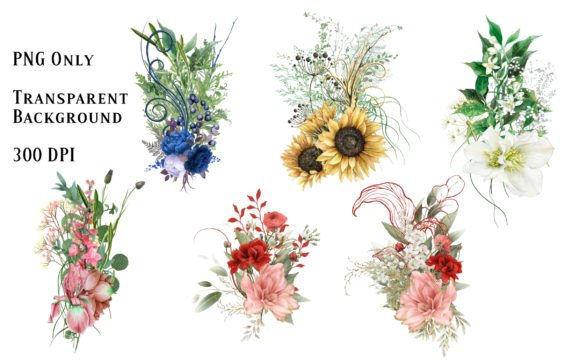
Watercolor Bouquets 3: A Designer's Review
As a designer who has spent years navigating the gap between digital mockups and physical stitched reality, I approach every new machine embroidery design with a mix of excitement and skepticism. The market is flooded with assets that look stunning on a screen but fall apart under the tension of a hoop or the scrutiny of a customer. When I first opened Watercolor Bouquets 3, my immediate goal was to determine if this collection of Illustrations could translate into a profitable, high-quality finished product for my small shop. This isn't just about pretty flowers; it is about whether these designs can withstand the rigors of real-world application.
The First Impression: Mood and Visual Personality
At first glance, Watercolor Bouquets 3 exudes a soft, organic charm that is currently in high demand among buyers looking for feminine, nature-inspired aesthetics. Unlike rigid, geometric floral patterns, these designs mimic the fluidity of watercolor paint. The layout suggests a gentle chaos, where petals seem to bleed into one another, creating depth without overwhelming detail. For an Etsy seller or boutique owner, this visual personality is gold. It signals "handmade" and "artistic" before a single thread is pulled through fabric.
However, the transition from a digital file to a physical stitch is where the true test begins. The delicate gradients implied by the watercolor style require careful execution. If the stitch density is too high, the soft edges become muddy. If it is too low, the design loses its integrity. My initial assessment is that this collection thrives on negative space and subtle color transitions, making it ideal for projects where elegance matters more than bold statement-making.
Testing the Waters: A Real-World Scenario
To truly evaluate Watercolor Bouquets 3, I imagined a specific project: a custom embroidered tote bag for a local flower shop's spring launch. The client wanted something that felt premium yet accessible, perfect for carrying groceries or art supplies. I loaded the embroidery file into my software and began mapping out the placement on a canvas tote.
The challenge with watercolor styles on tote bags is the fabric texture. Canvas is sturdy but has a weave that can disrupt fine details. As I adjusted the design, I noticed that the larger blooms in Watercolor Bouquets 3 held their shape beautifully, while the smallest leaves required a bit of tweaking to ensure they didn't get lost in the fabric grain. The fill stitch areas needed to be slightly open to prevent puckering on the heavy cotton. This is a crucial lesson for any craft business owner: even the most beautiful digital embroidery file requires adaptation based on the substrate.
Once stitched, the result was striking. The thread colors blended seamlessly against the natural beige of the canvas, creating a sophisticated look that immediately elevated the perceived value of the tote. Customers reacting to similar products often comment on the "softness" of the design, which directly translates to higher engagement and sales. In this context, Watercolor Bouquets 3 proved itself as a versatile asset for custom apparel and home goods alike.
Navigating Fabric Challenges and Limitations
While the potential is clear, experienced designers know that no design works everywhere. Watercolor Bouquets 3 demands respect for material limitations. I would advise extreme caution when using these designs on thin or highly stretchy fabrics like jersey knit. The intricate details rely on stability, and without the right stabilizer, the fabric can warp, ruining the delicate flow of the petals.
Similarly, dark fabrics present a unique hurdle. Watercolor effects often rely on white or light backgrounds to show their gradient magic. Stitching this design directly onto black denim or navy sweatshirts might require a significant amount of underlay or a dense fill to cover the background, which could alter the airy feel of the original illustration. For sweatshirt embroidery or caps, you must consider how the curved surface distorts the perspective. On a cap, the rounded brim can compress the bottom of the bouquet, potentially obscuring the lower stems. Always run a printable mockup or a test stitch on a scrap piece of the actual fabric to visualize these distortions.
Furthermore, avoid placing these designs in areas subject to frequent washing or abrasion, such as the cuffs of shirts or the hems of aprons. While modern threads are durable, the aesthetic appeal of a watercolor style diminishes if the stitches begin to fray or fade unevenly. These designs are best suited for decorative accents, pillow covers, kitchen towels, or the chest area of a garment where wear is minimal.
Practical Notes for Commercial Success
If you are planning to incorporate Watercolor Bouquets 3 into your commercial embroidery line, there are several practical steps to ensure success. First, always verify the licensing terms. Are you allowed to sell the finished items? Can you use them for personalized gifts? Understanding the boundaries of your license protects your small shop product line from legal issues down the road.
Second, invest time in testing. Before committing to a batch of embroidered patches or baby clothes, stitch the design on a variety of stabilizers. Tear-away, cut-away, and wash-away options all interact differently with the running stitch and satin elements found in floral designs. Check the hoop size requirements carefully; forcing a large bouquet into a small hoop will inevitably lead to registration errors and poor stitching quality.
Finally, consider the broader brand consistency. Does the whimsical nature of Watercolor Bouquets 3 align with your existing design assets? If your brand is known for bold, industrial looks, this soft collection might feel out of place. However, if you specialize in nursery decor, wedding favors, or holiday gifts, this design fits perfectly. It adds a layer of professionalism and thoughtfulness that customers appreciate, fostering trust in your craftsmanship.
Final Verdict for Makers and Entrepreneurs
In conclusion, Watercolor Bouquets 3 is a strong contender for designers seeking to add artistic flair to their portfolio. It excels in applications where softness and elegance are paramount, such as baby embroidery, holiday embroidery projects, and high-end home textiles. While it requires attention to fabric choice, stabilizer selection, and hoop sizing, the payoff in terms of visual appeal and customer satisfaction is significant.
For the hobbyist, it offers a chance to create gallery-worthy pieces. For the entrepreneur, it provides a reliable tool for creating handmade products that stand out in a crowded marketplace. By treating this machine embroidery design with the care it deserves—testing thoroughly, respecting the materials, and understanding the nuances of the stitch—you can turn these digital illustrations into tangible, sellable treasures. Whether you are preparing a personalized gift for a loved one or stocking your online shop for the season, this collection offers the creative flexibility needed to succeed.