Snowy Fir Trees Watercolor Clipart & Illustrations
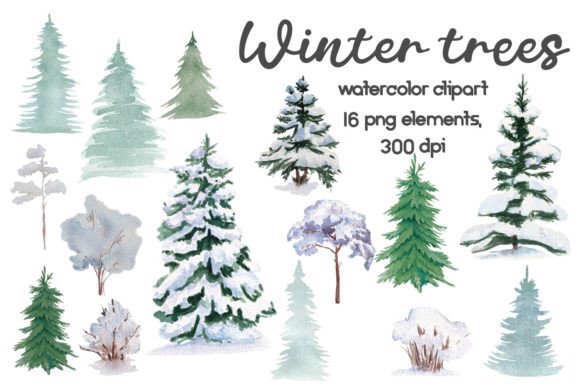
When a client approaches me with a vision for a cozy, handcrafted holiday collection, the first thing I look for is texture. In the world of digital branding, clean vector lines are often the default, but they can sometimes feel sterile for a handmade business. Recently, I was tasked with creating a seasonal campaign for a boutique candle maker who wanted her brand identity to scream "warmth" and "nostalgia." That is when I pulled up the Snowy Fir Trees Watercolor Clipart to see if it could bridge the gap between professional polish and artisanal charm.
The first impression of this graphic design asset is immediately inviting. The watercolor washes create a softness that mimics real paint on paper, offering a visual mood that feels organic rather than manufactured. Unlike rigid geometric shapes, these illustrations breathe. They suggest a winter scene without being overly literal, making them perfect for a creative design project where emotional appeal is just as important as clarity. For a small business owner or an Etsy seller trying to stand out in a crowded creative marketplace, this type of illustration provides an instant aesthetic upgrade.
Evaluating Versatility Across Real Client Projects
In my workflow, I rarely use a single asset for just one purpose. A good design bundle must be versatile. When testing the Snowy Fir Trees Watercolor Clipart, I imagined how it would perform across various deliverables. For packaging design, specifically labels for those artisan candles, the soft edges of the trees blend beautifully with kraft paper textures. It avoids the harsh contrast that can make a product look cheap.
I also considered its application in social media graphics. On platforms like Instagram and Pinterest, where visuals drive engagement, this clipart works wonders as a background element or a framing device. Imagine a Canva template for a holiday sale announcement; placing these snowy firs in the corners creates a cohesive frame that guides the eye toward the offer text. For print-on-demand sellers, the potential is equally high. Whether applied to a t-shirt design featuring a subtle winter motif or a tote bag for a local charity event, the watercolor style adds a layer of sophistication that standard stock photos lack.
For crafters and Cricut users, the utility depends heavily on the file format. If the set includes high-resolution PNGs with transparent backgrounds, they become essential for sticker design projects. Layering these trees over other elements allows for depth, creating a collage effect that looks professionally composed. However, if the files are SVG designs, the possibilities expand into die-cutting and vinyl cutting, allowing for physical merchandise that retains the artistic integrity of the original Illustrations.
Where This Asset Shines: Layout and Mood
There are specific scenarios where the Snowy Fir Trees Watercolor Clipart truly excels. It is most effective in large layout areas where the detail of the brushstrokes can be appreciated. As a hero graphic on a landing page for a holiday collection, it sets the tone immediately. It also serves as an excellent decorative accent in editorial design, such as magazine spreads or blog posts about winter wellness. The organic nature of the watercolor helps break up blocks of text, improving readability while maintaining visual interest.
This asset is also a powerhouse for themed collections. If you are building a marketing visuals suite for a bakery launching gingerbread cookies, these trees can unify your flyers, menu cards, and window decals. The consistent color palette and style ensure that every touchpoint feels part of the same story. Furthermore, in product mockups, using these trees as a backdrop can elevate the perceived value of the item being sold, suggesting a premium, gift-worthy quality.
Strategic Limitations and Design Hierarchy
However, professional judgment dictates knowing when not to use an asset. While beautiful, the Snowy Fir Trees Watercolor Clipart requires careful handling in certain contexts. In minimalist branding or corporate communications, the busy texture might clash with the need for stark simplicity. If a client needs a logo design that must scale down to a favicon, the intricate details of a watercolor tree may get lost, resulting in a muddy mess.
Visual hierarchy is another critical factor. In crowded layouts, these illustrations can compete with typography. If you are designing a flyer with lots of information, using a large, detailed tree behind the text will destroy legibility. Similarly, on low-contrast designs or dark backgrounds, the lighter tones of the watercolor might vanish unless carefully adjusted. It is not ideal for projects requiring very sharp, clean lines, such as technical diagrams or strict corporate reports.
Practical Designer Notes for Commercial Use
Before committing this asset to a real client project, I always run through a rigorous checklist. First, test the PNG design in black and white. Does the value structure hold up? If the image relies entirely on color to define the shape, it will fail in print applications that require grayscale. Next, check the contrast on both light and dark backgrounds. Ensure the transparency is clean, with no jagged white halos around the branches.
Preview the asset at small sizes. A stunning tree at 4000 pixels might look like a blob at 50 pixels. For web design, ensure the file size is optimized so it doesn't slow down page load times. If you are planning physical prints, review the resolution to confirm it meets the DPI requirements for high-quality printing. Always inspect the file formats provided. Are there editable vectors? Can the colors be changed to match the client's brand guidelines?
Typography pairing is also crucial. These soft, organic illustrations pair best with script fonts or handwritten fonts that mimic the human touch. They can work with serif fonts for a classic look, but they often clash with ultra-modern sans-serif display fonts unless used with extreme caution. Finally, and most importantly, confirm the commercial license. As a designer, I cannot risk using a digital product for a client without ensuring the terms allow for unlimited commercial use, resale, and derivative works. Using assets without the proper license can jeopardize a business's reputation and legal standing.
Final Verdict for the Creative Professional
After reviewing the Snowy Fir Trees Watercolor Clipart against the needs of my client's candle line, I found it to be a valuable addition to my toolkit. It successfully evokes the desired mood of warmth and tradition, enhancing the small business branding without overpowering the core message. For designers, marketers, and creators looking to add a touch of elegance and emotion to their work, this set offers a compelling solution.
Whether you are creating a sublimation design for mugs, a printable wall art piece for a nursery, or a series of social media posts for a holiday campaign, these illustrations provide a solid foundation. They remind us that even in a digital age, the texture of traditional art forms can bring life and connection to our modern designs. With proper testing and strategic application, this clipart transforms from a simple image into a powerful storytelling tool.